
Life can throw unexpected curveballs at us. You might chip a tooth on a rogue popcorn kernel. You might endure a sweltering summer without a functioning AC. You might even face job loss. These are the moments when you don’t want to worry about covering the bills. Instead, you want to rest easy, knowing that you have a safety net to catch you in these “life happens” moments.
If the idea of financial security in such situations seems like a distant dream, let me assure you: it’s entirely attainable!
In this article, we’ll delve into the concept of an emergency fund, discussing what it is, why it’s essential, how much you should save, where to keep it, and when to use it. With this knowledge, you can start living with the peace of mind that financial savings provide.
What Is an Emergency Fund?
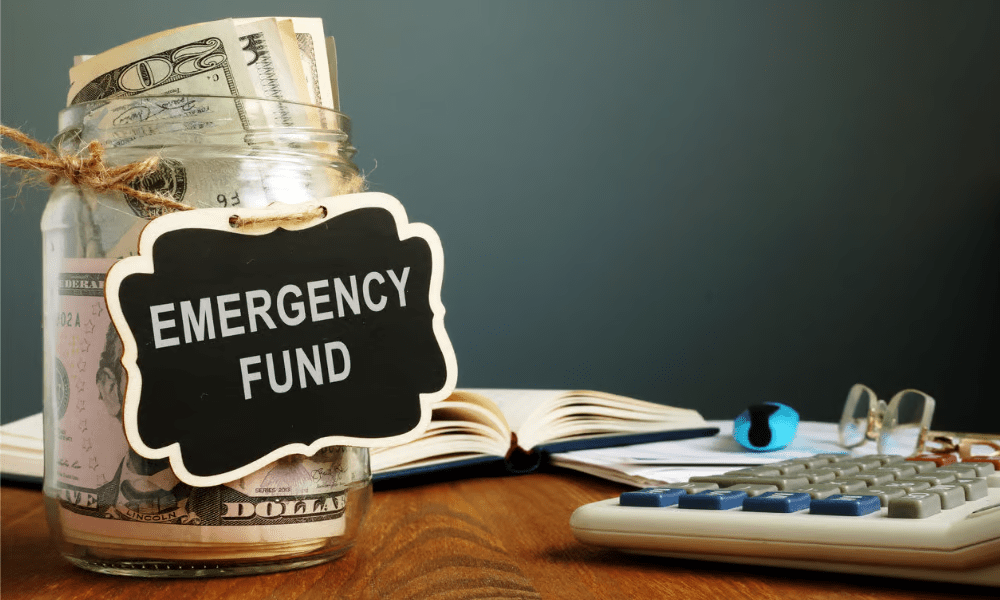
An emergency fund is money that you set aside for unexpected life expenses. These expenses include car repairs, medical bills, or job loss. This fund gives you the ability to cover both minor and major surprises with cash on hand, alleviating the stress that comes with these unexpected situations.
Why Do I Need an Emergency Fund?
The importance of having an emergency fund cannot be overstated. Here are some compelling reasons why you should have one:
- Preparation: Just as you create a budget to plan for expected expenses each month, an emergency fund prepares you for the unexpected financial challenges that may arise.
- Savings: Using a credit card as your emergency fund is not advisable. Emergencies are already costly; you don’t want to add interest payments on top. Having cash on hand ensures that emergencies are fully paid for, allowing you to move on without financial stress.
- Peace of Mind: Financial worries plague many Americans. A recent study, 54% of Americans stress daily about their financial situation, and 34% have no savings at all. However, you don’t have to live with this anxiety. A well-funded emergency fund can provide peace of mind, free from the burden of financial stress.
Your grandparents may have referred to their emergency fund as a “rainy day fund,” and that analogy holds true. Life will have its rainy days, and sometimes it might even flood. With an emergency fund, you’ll be prepared, free from the anxiety of interest and financial instability.
How Much Should I Save for My Emergency Fund?
Determining the ideal size of your emergency fund depends on various factors. There are two key stages:
- Starter Emergency Fund: If you have consumer debt, prioritize building a starter emergency fund of $1,000. While it may not seem like a significant amount, this serves as a temporary buffer while you work on paying off your debt.
- Fully Funded Emergency Fund: Once your debt is eliminated, aim for a fully funded emergency fund that covers 3 to 6 months of your living expenses.
Determining whether you should save for three months or six months of expenses is relatively straightforward. Review your monthly expenditures, considering everything from essential bills to discretionary spending. Then, multiply this amount by three or six to arrive at your emergency fund target. For example, the average monthly expenses in the United States range from approximately $4,000 for singles to nearly $8,600 for a family of four.
Keep in mind that in the worst-case scenario, such as losing your job, you may need to tighten your budget to cover only essential expenses during your reliance on the emergency fund. Therefore, having a cushion for added peace of mind is a wise decision.
When Should I Use My Emergency Fund?
While sudden expenses may feel like emergencies, it’s crucial to assess whether tapping into your emergency fund is truly necessary. Start by examining your budget for the current month to see if you can reallocate funds to cover the unexpected expense. Sacrificing some non-essential expenses for a short time can often prevent you from depleting your emergency fund prematurely.
If adjusting your monthly budget isn’t sufficient, ask yourself these three questions:
- Is it unexpected?
- Is it necessary?
- Is it urgent?
If the answer to all three questions is “yes,” then you indeed have a genuine emergency and should use your emergency fund.
Start Building Your Emergency Fund Today
You now have the knowledge and tools to begin building your emergency fund. Determine your savings goal, incorporate it into your budget, and take proactive steps to achieve it. The peace of mind and financial security you gain from having a well-funded emergency fund are very real, and you can start experiencing them by taking those initial steps towards savings today.
 Focused Financial Coach Blog
Leave a comment