
If the soaring prices of groceries have left you feeling bewildered, you’re not alone. Our recent State of Personal Finance survey reveals that 84% of individuals have observed a significant uptick in grocery costs. And their concerns are justified. Since October 2021, grocery prices have surged by a staggering 12.4%! Although certain price hikes can be attributed to food shortages stemming from panic buying and factory closures, the relentless wave of price increases continues (thanks to inflation). Consequently, finding effective ways to cut down on grocery expenses might seem like an insurmountable challenge.
However, it’s not solely about the elevated prices. The act of stepping into a grocery store can itself be a temptation to overspend on your grocery budget. Some factors can throw your plans off track. Whether it’s the bright fluorescent lights, attention-grabbing product labels, or that squeaky cart wheel that threatens your sanity. Regrettably, we can’t assist you with that noisy wheel. But we can certainly provide you with some valuable pointers on economizing your grocery expenses.
How Much Does the Average Person Spend on Groceries Each Month?
For an individual adhering to the thrifty plan, monthly grocery expenses range from $215 to $308.2 When it comes to a family of four, their monthly grocery bill skyrockets to around $968.3 That might be a result of insufficient budgeting or the exorbitant grocery prices themselves. Either way, it’s undeniable that the costs are escalating (and might keep doing so). But fear not, for there are strategies to unravel the puzzle of how to save money on groceries. So, let’s delve into some practical advice…
Effective Tips for Trimming Your Grocery Bill
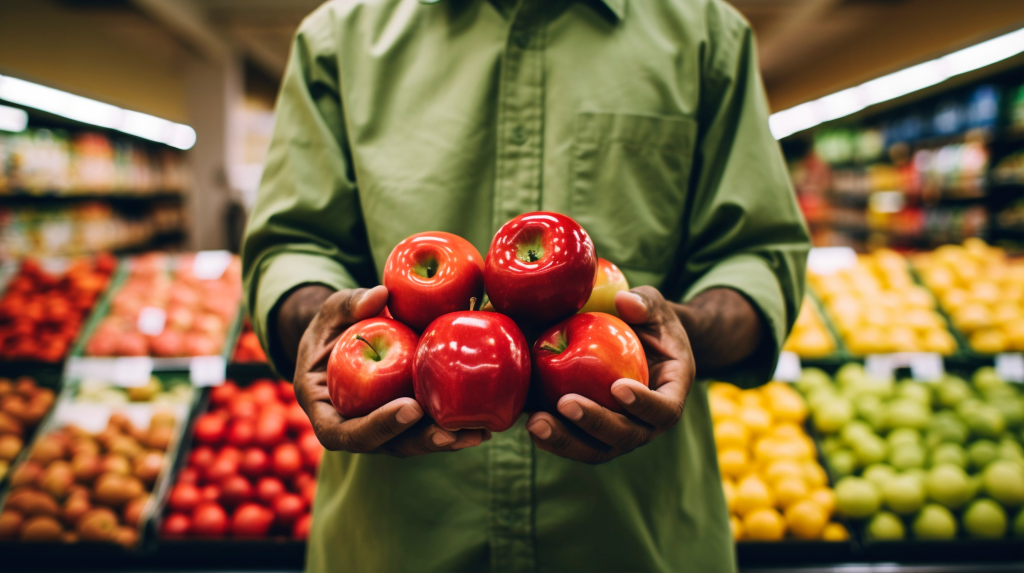
- Rethink Dinners: Erase the mental image of elaborate meals with premium cuts of meat and an array of fresh farmer’s market vegetables. It’s not 1952 anymore, and dinner doesn’t need to be an extravagant feast. Opt for simpler meals like BLTs, beans, omelets, or salads a few times a week. Breakfast for dinner can be fun too!
- Keep a Tally: Use your phone’s calculator to track expenses as you shop. This prevents any last-minute surprises at the checkout. It might also make you reconsider pricey non-essential items.
- Round Up Costs: While calculating, round up each item’s price. This simple trick allows you to stay aware of your spending while pleasantly surprising yourself with lower-than-expected totals at checkout.
- Utilize Pantry Goods: Before heading to the store, see what meals you can create using ingredients you already possess. Those frozen chicken thighs and canned goods in your pantry could be the base of a great meal.
- Bulk Buying Wisdom: Bulk purchases can be cost-effective, but not always. Compare unit prices to assess if buying in bulk truly saves money. Be especially cautious with items prone to spoilage.
- Timing is Key: Shop midweek (preferably Wednesdays) when grocery stores restock and often extend previous week’s discounts. Avoid weekends to circumvent crowds and higher prices.
- Freezer Meals: Invest a day making freezer-friendly meals to save time and money. This tactic guarantees you don’t waste ingredients and have ready-made meals on hand.
- Embrace Cash: Set a grocery budget and pay with cash. It enforces discipline and prevents overspending. Consider weekly cash withdrawals for better expense tracking.
- Plan and List: Prepare a meal plan and grocery list before shopping. Stick to the list to curb impulse purchases. Involve your family in planning to make it fun and collaborative.
- Online Shopping: Opt for curbside pickup to sidestep in-store temptations. Online shopping also aids price comparison, preventing last-minute regrets.
- Seasonal Shopping: Purchase fruits and vegetables in-season to save money and enjoy fresher produce.
- Eye-Level Awareness: Avoid pricier items at eye level. Explore upper and lower shelves for more budget-friendly alternatives.
- Diversify Stores: Consider switching to more budget-friendly grocery stores. Don’t be afraid to explore different options for better deals.
- Master Sales Cycles: Observe when your favorite items go on sale. Keep track and anticipate sales trends to maximize savings.
- BYOB: Bring your reusable bags to enjoy discounts on your bill, however small they may seem. It adds up over time.
- Avoid Hungry Shopping: Don’t shop when hungry to prevent impulsive and unnecessary purchases.
- Stick to Your List: Avoid buying items not on your list. Don’t get lured by sales or coupons if they weren’t part of your initial plan.
- Try Growing Your Own: Consider cultivating herbs and vegetables at home to reduce grocery costs and enjoy fresh produce.
- Smartphone Apps: Make use of rebate apps like Ibotta, Receipt Hog, and Checkout 51 to save on future purchases.
- Incorporate Meatless Meals: Integrate meatless meals into your routine to lower overall grocery expenses.
- Strategic Meat Buying: Purchase meat when it’s on sale and freeze it for later use. Consider alternative cuts for budget-friendly options.
- Repurpose Leftovers: Transform leftovers into economical and tasty lunches, minimizing the need for costly takeout.
- Opt for Generic: Embrace store-brand items which are often comparable in quality and substantially cheaper than name brands.
- Minimize Waste: Ensure you use all purchased ingredients to prevent wastage and financial loss.
- Farmers Market Bargains: Visit farmers markets towards closing time to score deals on excess produce.
- Negotiate: Politely inquire about discounts, especially for items nearing expiration. It doesn’t hurt to ask!
- Preserve and Store: Preserve excess produce by canning or freezing to enjoy budget-friendly meals in the future.
- Shop the Perimeter: Focus on the outer aisles of the store for healthier, less expensive options.
- Choose Unpackaged: Opt for loose fruits and vegetables to save on packaging costs.
- Shop Solo: If overspending culprits are family members, consider shopping alone to stick to your budget.
Elevating Your Grocery Game on a Budget
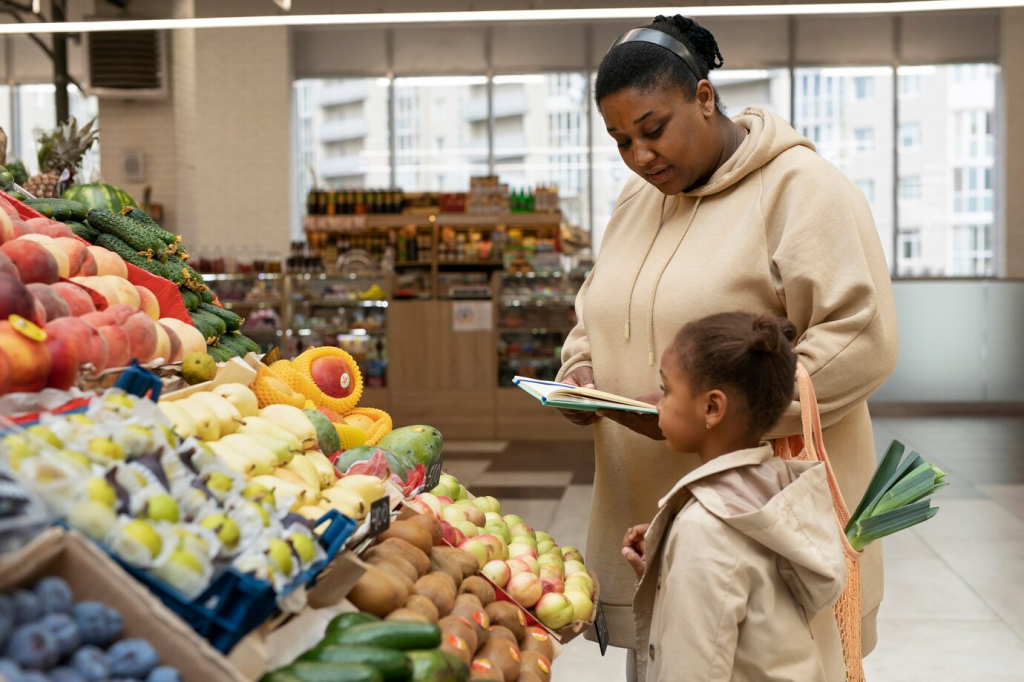
Incorporate these newfound strategies into your grocery shopping routine to witness substantial savings. By doing so, you’ll free up funds for debt reduction, investments, or enjoyable experiences. The grocery store, once a daunting financial battleground, can become a place where you triumphantly stretch your hard-earned money. Armed with these tips, you’ll not only conquer your budget goals but also infuse creativity and intentionality into your culinary ventures.
Recommended reading:
- Get Good with Money: Ten Simple Steps to Becoming Financially Whole
- The Total Money Makeover: A Proven Plan for Financial Fitness
- Debt Free Degree
- Destroy Your Student Loan Debt: The Step-by-Step Plan to Pay Off Your Student Loans Faster
 Focused Financial Coach Blog
Leave a comment